HomePicksLab
Coffee machines • Buying guide • Updated: February 2026

Automatic coffee machines (2026): what to check, what matters

“Automatic coffee machine” can mean bean-to-cup super-automatics (one-touch drinks) or espresso machines with built-in grinders (more control, more steps). This page is built as a checklist-based decision framework so you can pick the right workflow—without hype.

Jump to quick picksMaintenance routine

Disclosure: this page contains sponsored affiliate links. Affiliate disclosure.

Quick picks (February 2026)

Not a ranking—just three practical picks to anchor your shortlist. Exact features can vary by model variant, so always confirm milk system type, drink buttons, and cleaning workflow on the listing before you buy.

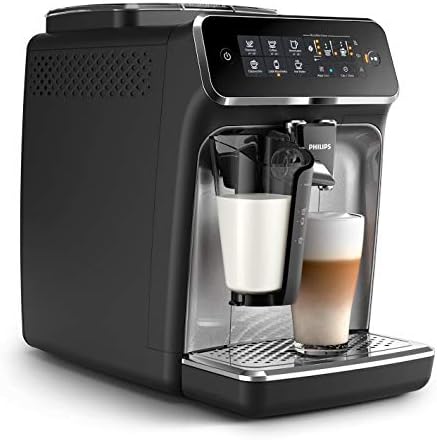
Philips 3200 Series Fully Automatic Espresso

Philips

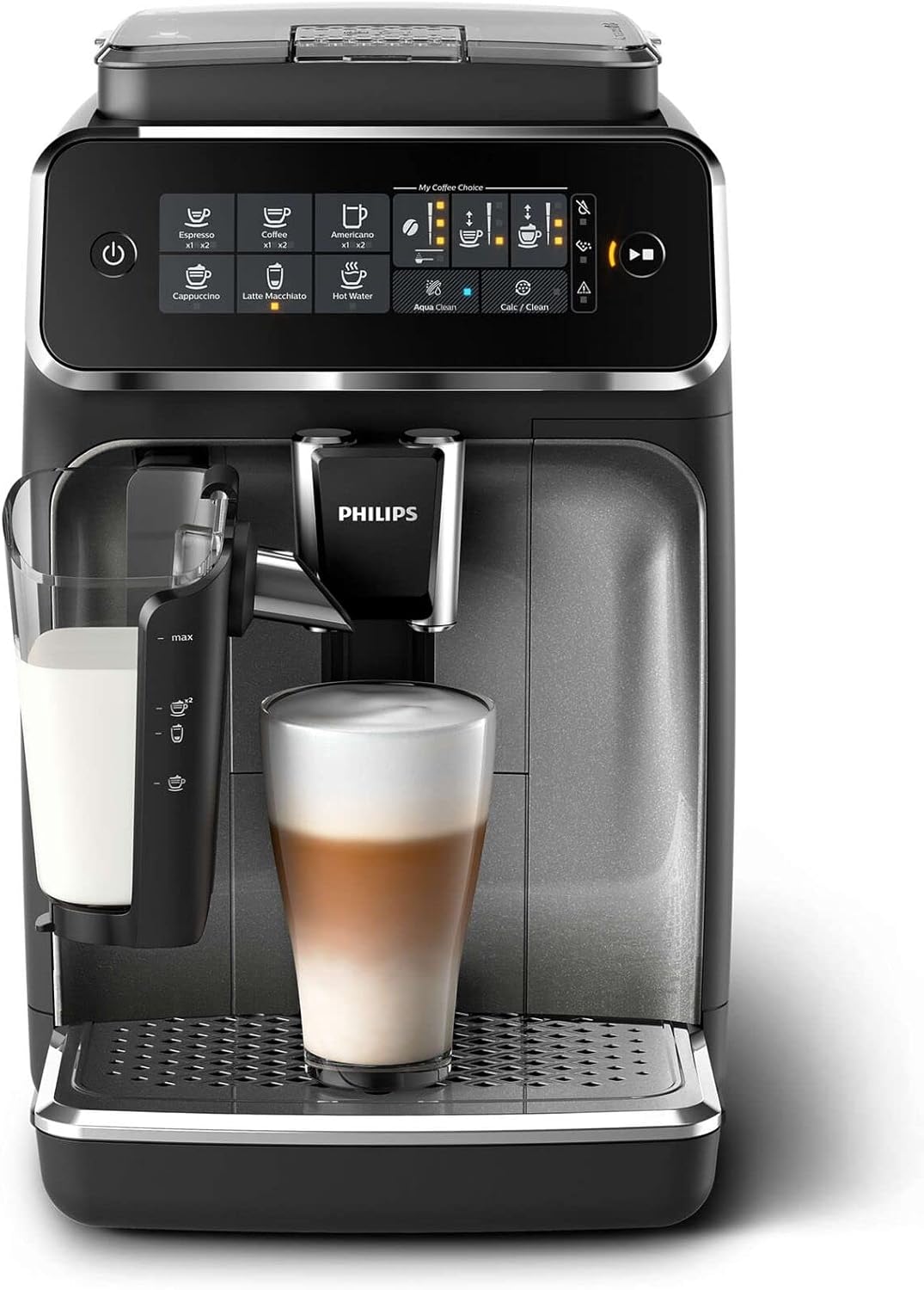
A straightforward bean-to-cup workflow if you want repeatable drinks with minimal learning curve.

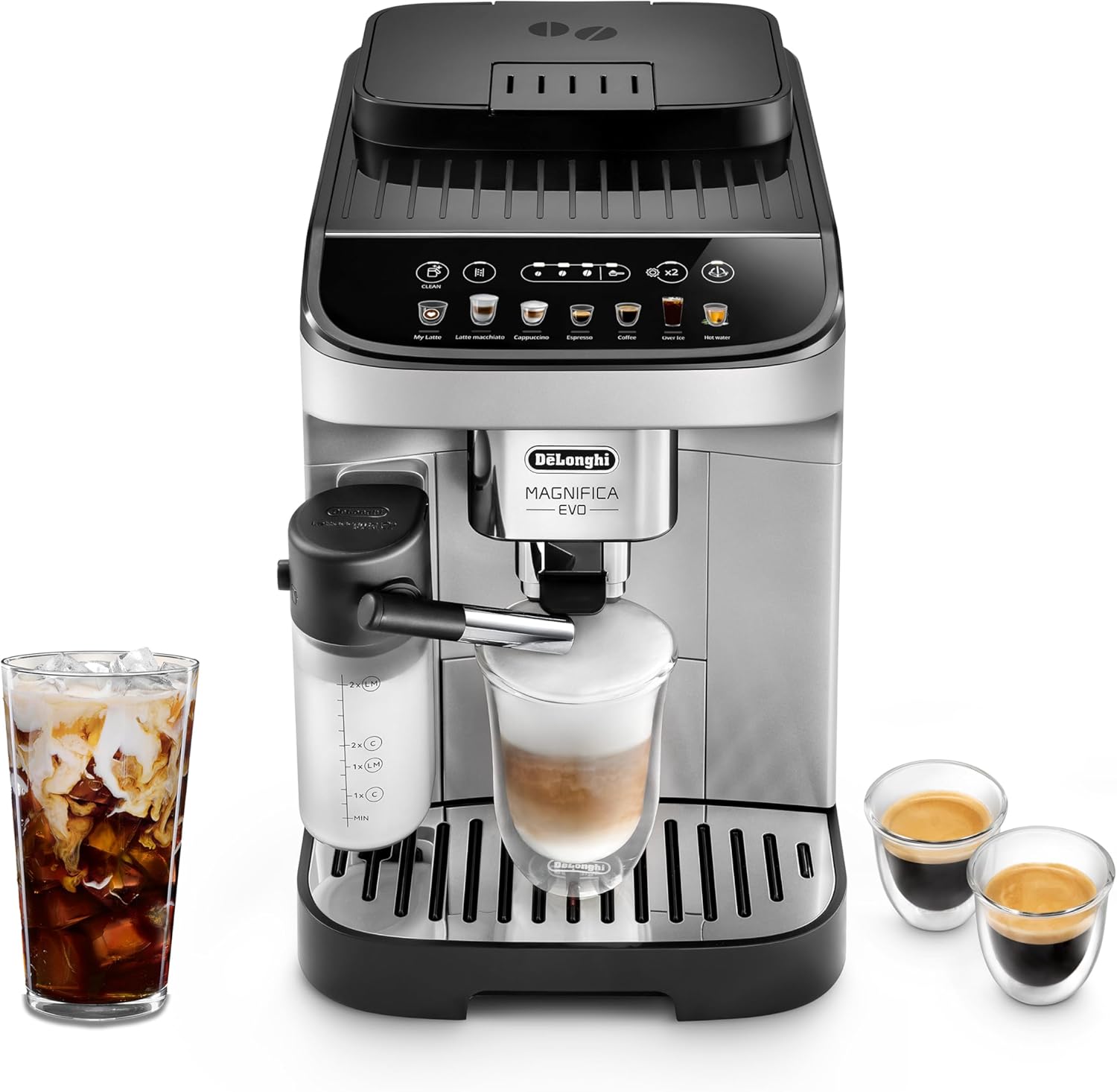
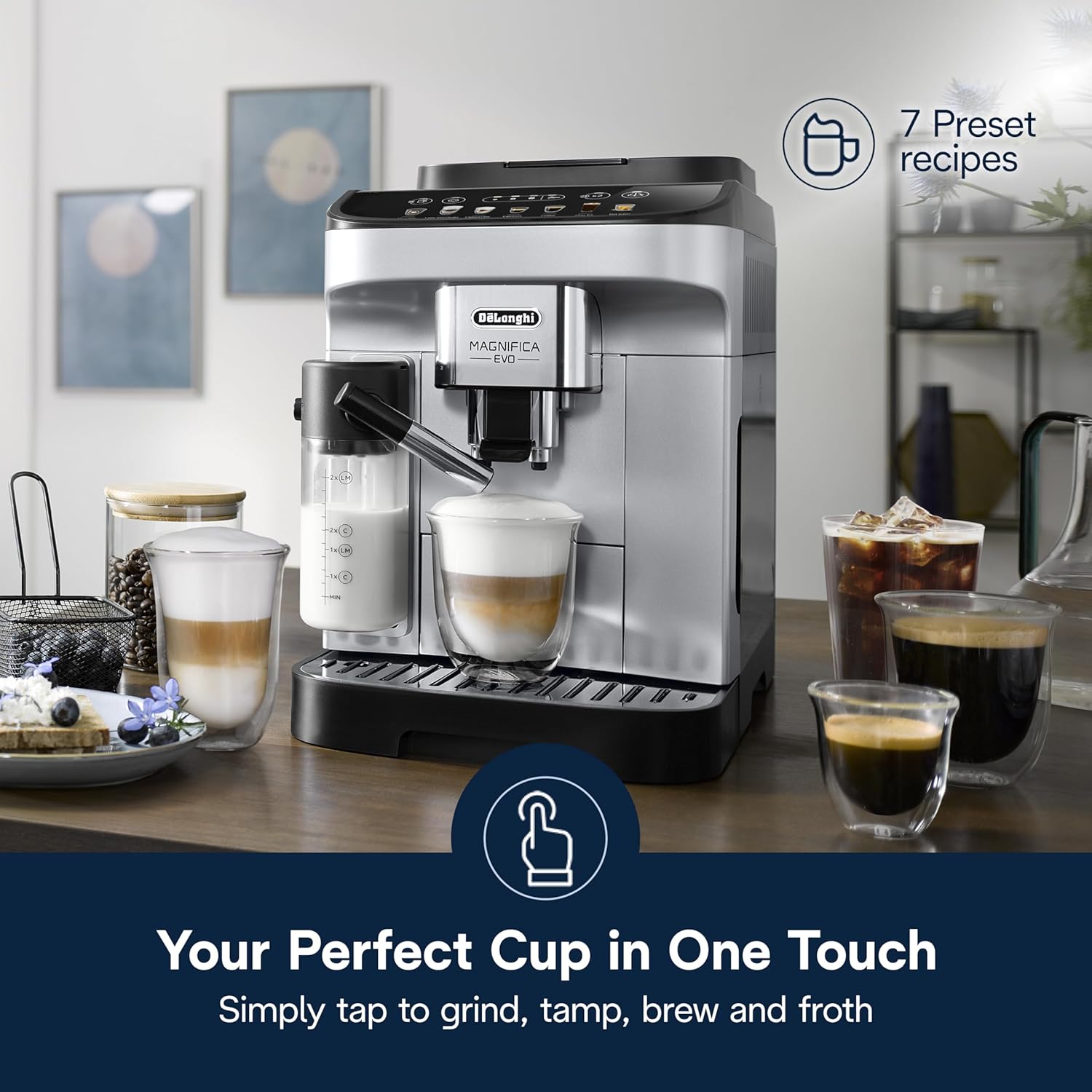
De'Longhi Magnifica Evo

De'Longhi

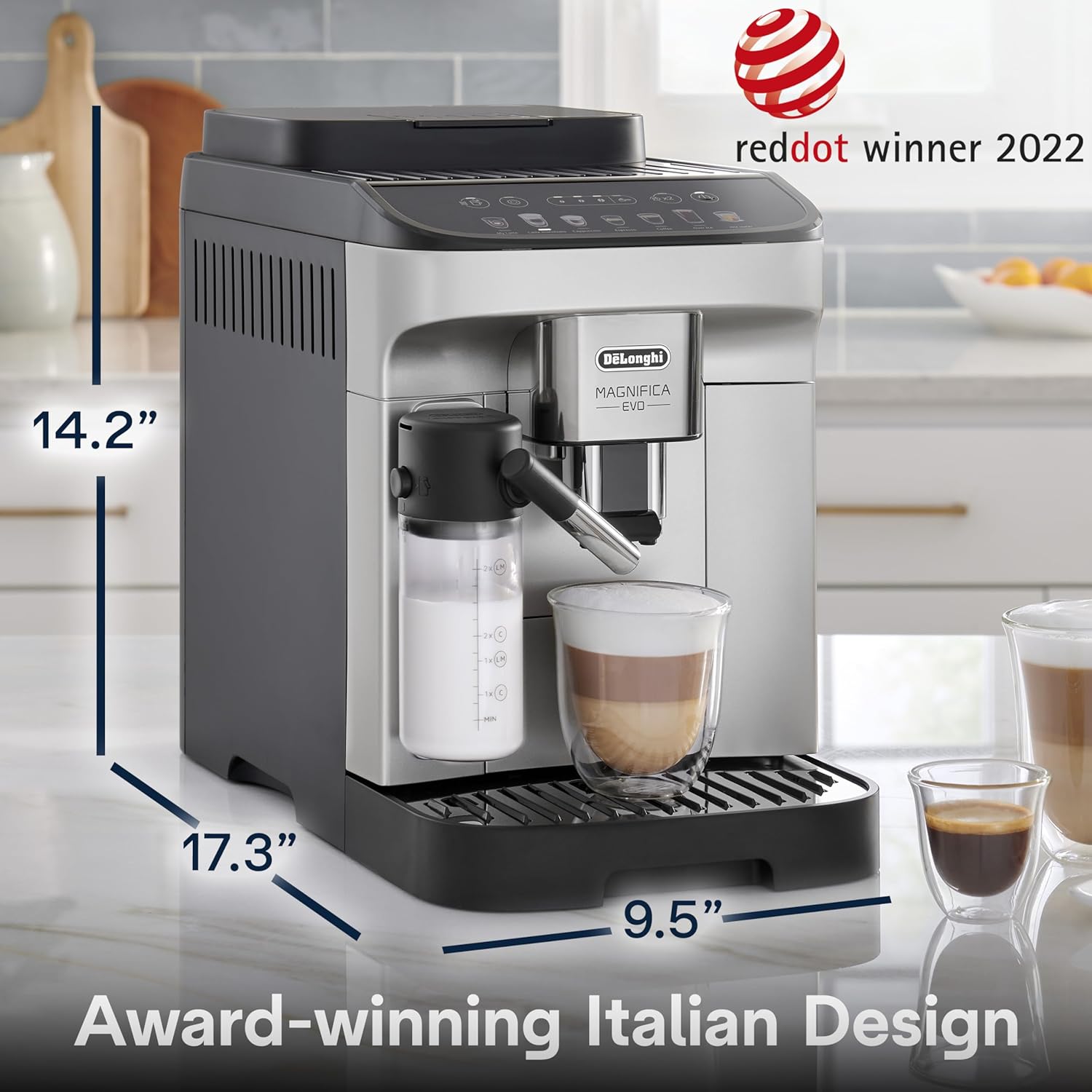
A classic bean-to-cup option for espresso-style drinks—great if you value simple daily routines.

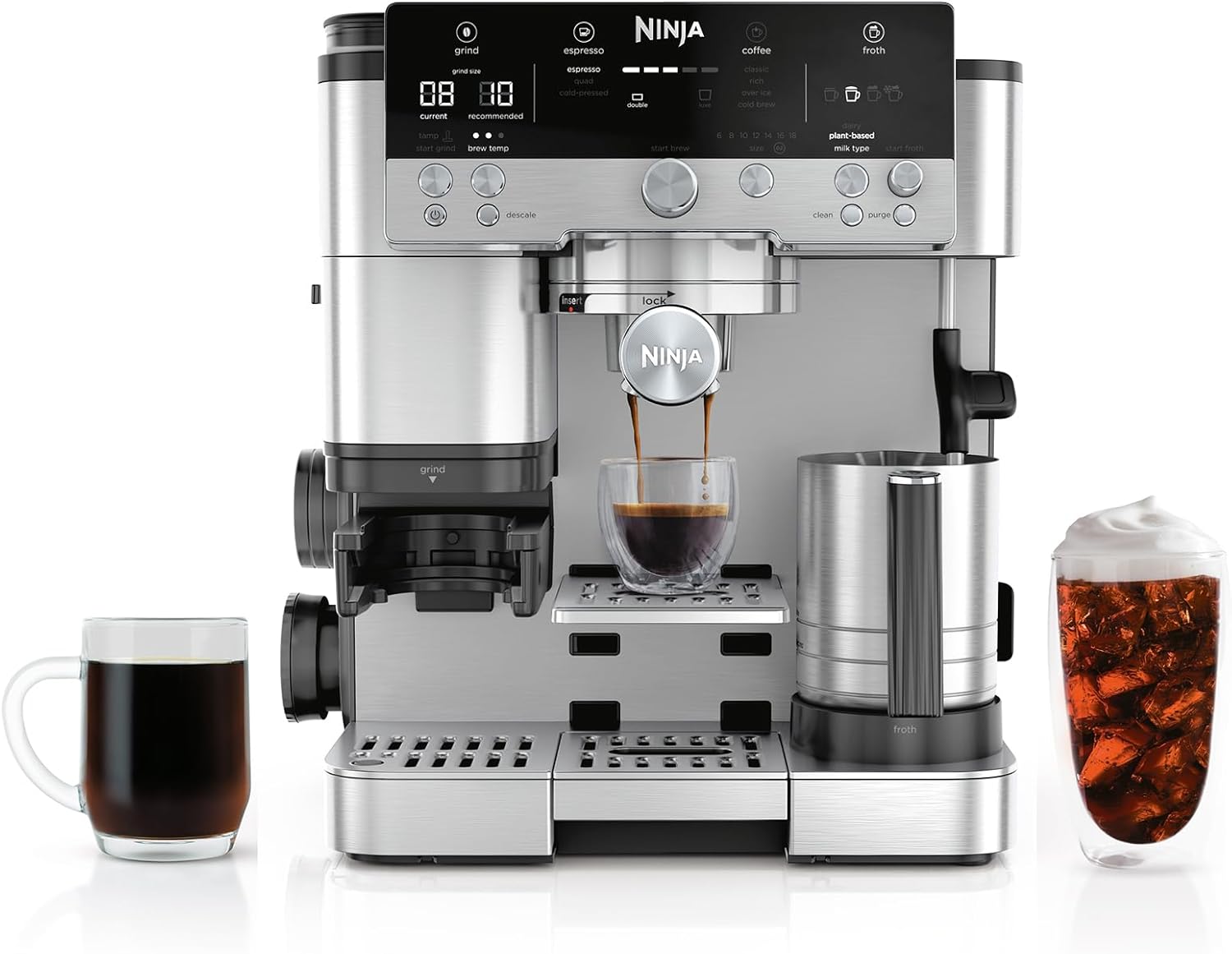
Ninja Luxe Cafe Pro (ES701)

Ninja

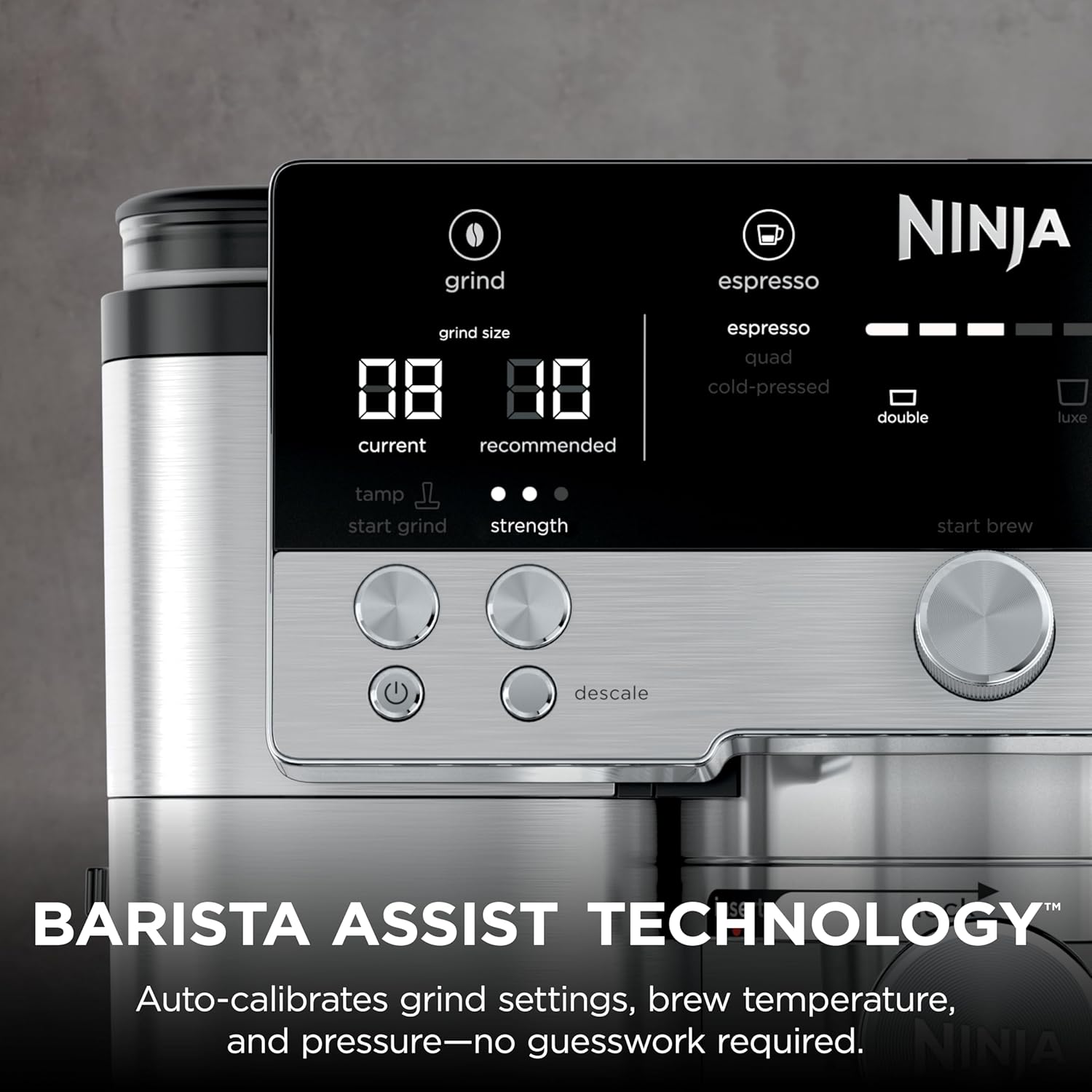
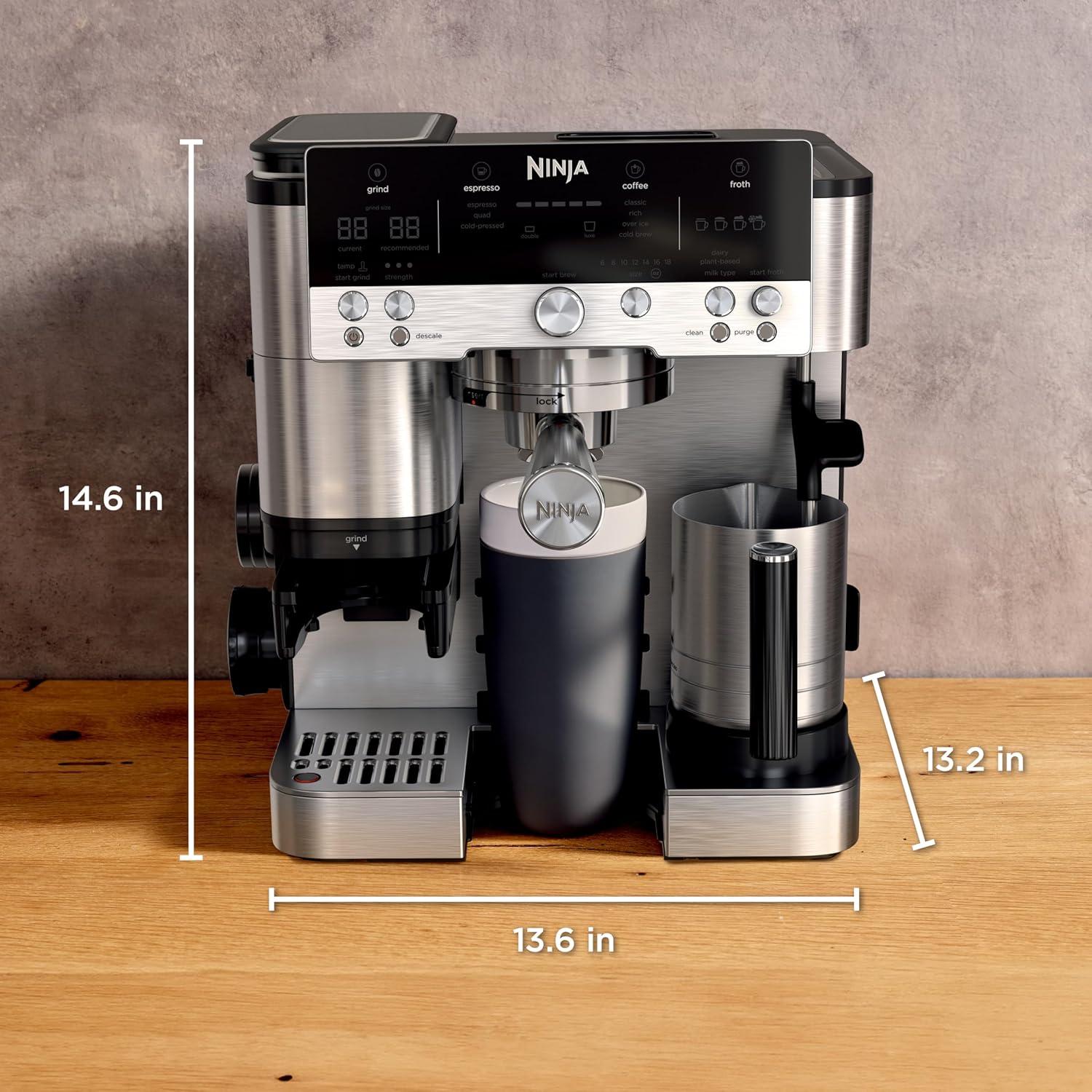
An all-in-one espresso workflow with more control than most super-automatics—expect a more hands-on routine.

Fast comparison (so you don’t buy the wrong workflow)

PickTypeBest forMilk workflowHands-on level
Philips 3200 SeriesBean-to-cup (super-automatic)Consistency and speedDepends on model variantLow
De'Longhi Magnifica EvoBean-to-cup (super-automatic)Simple daily routineDepends on model variantLow
Ninja Luxe Cafe Pro (ES701)Espresso workflow + grinderMore control and dialing-inMore steps, more cleanupMedium

Tip: if you want one-touch lattes, prioritize an automatic milk system you’re willing to clean. If you want more control, pick the more hands-on workflow on purpose.

Technical reference points (confirm the exact variant)

These product families ship in multiple variants (milk system, drink buttons, accessories) depending on region and model number. Use this as a workflow reference, then confirm details on the listing.

PickDrinks (examples)Milk systemGrinder settingsWater / beansWhat to remember
Philips 3200 (e.g., EP3246/74)Espresso, coffee, cappuccino, latte macchiato, americano + hot waterLatteGo (2 parts, no tubes)121.8 L / 275 gLow-friction super-automatic; guided cleaning + AquaClean filter support
De'Longhi Magnifica Evo (e.g., ECAM290.61.SB)MyLatte, cappuccino, espresso, coffee + hot waterLatteCrema Hot + MyLatte (variant-dependent)Depends (often ~13)1.8 L / 250 gGreat “classic drinks” workflow; check if your variant includes the milk carafe
Ninja Luxe Cafe Pro (ES701)Espresso (multiple styles), filter coffee, cold brew + hot waterDual Froth System Pro (5 presets) + XL jug252 L / 250 gMore hands-on (portafilter) but more control: dosing, tamping, frothing, drink programs
Show the guide (before products)

Choose in 5 minutes

Before comparing brands, decide which daily routine you actually want. Most buyer’s remorse comes from choosing the wrong workflow, not from tiny spec differences.

  1. What do you drink? Espresso/americano only is simpler. If you drink milk drinks daily, your milk system choice matters as much as the machine.

  2. How hands-on are you? Bean-to-cup machines trade control for convenience. Espresso workflows give more control but require dosing, tamping, and cleaning.

  3. How much cleaning will you really do? If you won’t rinse milk parts after use, choose the simplest milk design you can tolerate (or skip automatic milk entirely).

  4. Counter space + noise tolerance? Measure the space, check clearance for hoppers and water tanks, and assume grinders are audible—especially in open-plan homes.

  5. Water hardness? Hard water increases scale and bitter flavors. Plan for a filter and periodic descaling.

  6. Total cost (not just sticker price)? Budget for beans, filters, and cleaning/descaling products.

If you want the simplest path: pick a bean-to-cup machine, buy fresh medium-roast beans, test your water hardness, and commit to a 2-minute cleaning habit.

Machine types (and tradeoffs)

Bean-to-cup super-automatic

Press a button, the machine grinds, brews, and often froths milk.

  • Pros: fast, consistent, low effort, great for multiple users.
  • Cons: less control, taste can be “espresso-style” rather than café-level espresso.
  • Best for: people who want repeatable drinks and a simple routine.

Espresso workflow + built-in grinder

More like a café workflow: grind, dose, brew, steam (and clean) with more control.

  • Pros: more dialing-in and texture control, can reward good beans.
  • Cons: more steps, more cleanup, results depend on technique.
  • Best for: people who enjoy making coffee and want to tweak taste.

Where capsules/pods fit

Pods are the simplest to clean, but cost per cup is higher and flexibility is lower. If you want “push button, drink, rinse, done,” pods can be a valid choice—just not the cheapest long-term.

Milk systems (and cleaning)

Milk drinks are where “automatic” can save the most time—but only if the cleaning is realistic for you. Dried milk is the fastest way to get clogs and odors.

Three common milk workflows

  • Steam wand (manual): best texture potential, but you must purge/clean the wand and learn timing.

  • Automatic frother (tube or attachment): consistent foam with less technique; requires rinsing and regular disassembly.

  • Milk carafe/container system: convenient for frequent milk drinks; more parts to clean, but some designs are easier than others.

Practical tips that improve results

  • Use cold milk straight from the fridge; foam quality drops as milk warms.
  • Rinse milk parts immediately after use (even 30 seconds helps).
  • Don’t store milk residue inside tubes or carafes—clean and dry to prevent odors.
  • If you rarely drink milk drinks, a simpler workflow may be the smarter buy.

Cleaning & maintenance routine (keep it simple)

Daily (2–4 minutes)

  • Empty and rinse the drip tray and grounds container.
  • Wipe the drip area and the spouts.
  • Rinse milk parts if you made milk drinks.
  • Refill and rinse the water tank if water has been sitting.

This is the habit that prevents most smells and “mysterious” clogs.

Weekly / monthly (set a reminder)

  • Deep-clean milk components (disassemble, rinse, dry).
  • Clean the brew area and check for coffee buildup.
  • Run the manufacturer cleaning program if supported (tablets when prompted).
  • Check bean hopper for oily residue; wipe it dry (never wet-clean grinders).

If your machine has a removable brew group, routine rinsing (per manual) is often the best reliability booster.

What to keep on hand

  • Microfiber cloth + small brush (for nooks and spouts)
  • Descaling solution compatible with your machine
  • Cleaning tablets (if your machine uses them)
  • Spare water filter (if you use filters)

Water, filters & descaling (the unglamorous key)

Water quality affects taste and reliability. Scale buildup reduces temperature stability and flow—and makes coffee taste harsher over time.

A safe, simple plan

  • Test hardness (many machines include a strip) and set it in the menu.
  • Use a filter if the manufacturer recommends it—especially in hard-water areas.
  • Descale when prompted (or on schedule). Don’t postpone it for months.
  • Avoid vinegar unless your manual explicitly allows it; use a proper descaler to protect seals.

  • Keep tanks clean: rinse the water reservoir regularly so water doesn’t go stale.

If you want to optimize taste further, your biggest lever is still the basics: fresh beans, correct grind range, and clean internals.

Philips 3200 Series Fully Automatic Espresso

A practical reference for a low-friction bean-to-cup routine: grind, brew, and (depending on variant) milk drinks with minimal daily effort.

Affiliate link. Prices, bundles, and exact features can change—confirm the variant and milk workflow on the listing.

Details (reference points, e.g., EP3246/74)

TypeBean-to-cup super-automatic
Drinks (examples)Espresso, coffee, cappuccino, latte macchiato, americano + hot water (variant-dependent)
Water tank1.8 L
Bean hopper275 g
Milk moduleLatteGo (variant-dependent), ~0.26 L
Grounds container≈ 12 servings
Grinder settings12
Drink controlsStrength/aroma, length, temperature (variant-dependent)
Pump pressure15 bar

Reference points only: Philips 3200 variants differ (LatteGo vs steam wand, drink buttons). Confirm the exact model on the listing.

Photos

Real-world workflow (what you’ll actually do)

  1. Daily: top up beans + water, then pick a drink (adjust volume/strength if needed).
  2. Milk drinks: add cold milk to the milk module/carafe, brew, then rinse milk parts right away to prevent residue and odors.

  3. Every few drinks: empty the grounds container and drip tray before water sits.
  4. Weekly: rinse the brew group (if removable), wipe the drip area, and clean the coffee spouts.

Super-automatics feel “easy” when the milk system is simple and the small cleaning tasks fit your routine.

Who it’s for

  • You want a repeatable “press a button” workflow with minimal technique.
  • You’re okay with espresso-style results and prioritize consistency.
  • You want a machine that multiple people can use without learning a coffee routine.

What to check before you buy

  • Milk system: confirm whether your variant has a frother/carafe and how it rinses.
  • Drink buttons: the easiest machine is the one that makes your actual drinks in one tap.
  • Water filter: availability and ongoing cost if you plan to use filters.
  • Cleaning prompts: verify how the machine tells you when to clean or descale.

Setup tips (better taste, less bitterness)

  • Start with fresh medium-roast beans (avoid very oily beans in grinders).
  • Run 2–3 “dial-in” coffees and adjust strength/grind gradually (one step at a time).
  • Use a hardness strip and set the correct hardness—then stick to the plan.

Maintenance notes

  • If you make milk drinks, rinse milk parts immediately after use.
  • Empty and rinse the drip tray and grounds container often to avoid odors.
  • Don’t postpone descaling—scale affects flow and temperature stability.

Strengths (in real life)

  • Low-friction routine: the main win is consistency with minimal technique.
  • No-tube milk design (LatteGo on some variants): fewer parts and usually faster rinsing than hose-based systems.

  • Useful controls: strength + volume (+ often temperature), without endless menus.
  • Multi-user friendly: easy for a household to get repeatable drinks.
  • Guided care: prompts and routines help keep reliability predictable.

Limitations & watch-outs

  • Espresso-style: don’t expect café espresso texture; it’s a different result.
  • Milk = cleaning: skip rinsing and you’ll get residue, odors, and clogs.
  • Variants differ: drink buttons, milk hardware, and accessories change by model number.
  • Oily beans: accelerate residue in grinders and dull flavor faster.
  • Tray routine: drip tray + grounds container still need frequent emptying.

Avoid if…

  • You want barista control (tamping, shot timing, fine extraction tuning).
  • You want automatic milk but won’t clean milk parts after use.
  • You constantly switch beans (hopper workflows work best with small fills).
  • You need a “silent” machine: grinders are audible, especially early morning.

Consumables & running costs

  • Beans: the #1 taste lever (freshness beats brand).
  • Water filter (if used): reduces scale and can extend descaling intervals (per manual).
  • Descaler: non-negotiable in hard-water areas.
  • Cleaning programs/tablets: depends on the machine and its cycles.

The most underestimated “cost” is time: small daily cleanups prevent most failures.

Space & ergonomics: quick check

  • Top clearance: room to open the hopper and remove the water tank.
  • Cup height: confirm max clearance for mugs and latte glasses.
  • Near a sink: you’ll empty the drip tray and rinse parts.
  • Placement: avoid cramped corners; access matters for real maintenance.
View on Amazon

De'Longhi Magnifica Evo

A strong reference point for a simple bean-to-cup routine. The key is choosing the right Magnifica Evo variant for your milk preference and daily cleaning tolerance.

Affiliate link. Confirm the exact variant (milk workflow, drink buttons, included accessories) on the listing.

Details (reference points, e.g., ECAM290.61.SB)

TypeBean-to-cup super-automatic
One-touch drinks (examples)MyLatte, cappuccino, espresso, coffee + hot water (variant-dependent)
Milk systemLatteCrema Hot + MyLatte (variant-dependent); carafe often dishwasher-safe
Water tank1.8 L
Bean hopper250 g
Pump pressure15 bar
Max cup height≈ 14 cm
InterfaceColor touch icons (variant-dependent)

Reference points: the Evo range covers multiple ECAM290.xx variants. Confirm milk (carafe vs none), drink buttons, and included accessories on the listing.

Photos

Real-world workflow (especially for milk)

  1. Daily: beans + water, then one-touch espresso/coffee.
  2. Milk variants: prep the milk carafe and run cappuccino / MyLatte (depending on model).
  3. After milk drinks: run the built-in clean cycle if available and rinse milk-contact parts.
  4. Weekly: deeper carafe cleaning + drip tray + coffee spout area.

Magnifica Evo comes in “black coffee” variants and “milk” variants. The right buy is the one whose milk cleaning routine you’ll actually do.

Who it’s for

  • You want bean-to-cup convenience with a consistent daily routine.
  • You want espresso-style drinks without learning a full espresso workflow.
  • You prefer a machine you can keep clean with simple, repeatable habits.

What to check before you buy

  • Milk option: some variants focus on black coffee, others prioritize milk drinks.
  • Cleaning access: drip tray, grounds container, and milk components should be easy to remove.
  • Water plan: filters and descaling prompts matter more than small spec differences.
  • Space: check clearance for the top access points (beans / water tank).

Getting better taste fast

  • Use beans you actually like black—milk can hide bitterness but won’t fix stale coffee.
  • Adjust one variable at a time (strength, then grind, then temperature if available).
  • Keep the machine clean; old coffee oils make even great beans taste flat.

Maintenance notes

  • Rinse milk parts immediately after milk drinks to avoid dried residue.
  • Empty the drip tray often—standing water is a common odor source.
  • Descale on time; scale reduces flow and can trigger brewing errors.

Strengths (in real life)

  • Coherent bean-to-cup routine: reliable espresso/coffee with minimal technique.
  • Milk variants (LatteCrema/MyLatte on some models): more one-touch cappuccinos if you keep up with rinsing.

  • Simple interface: fewer steps = less daily friction.
  • Cleaning access: easy-to-remove trays make “doing the right thing” more likely.
  • Everyday practicality: a solid pick for households that want repeatable classic drinks.

Limitations & watch-outs

  • Wide range of variants: you can accidentally buy the wrong Evo for your drink habits.
  • Milk adds chores: carafe/systems need consistent cleaning to avoid smells.
  • Espresso-style output: not the same as café espresso from a dialed-in portafilter workflow.
  • Tray hygiene matters: standing water and old grounds quickly affect smell and flavor.
  • Oily beans: can increase residue and make performance drift.

Avoid if…

  • You drink milk drinks daily but won’t clean milk parts after each use.
  • You want full barista control: a portafilter workflow will fit better.
  • You plan to choose from the Evo line “at random”: the variant matters (milk, drink buttons, accessories).

Consumables & running costs

  • Water filter (optional): useful in hard-water areas to reduce scale.
  • Descaler: follow prompts/schedule—reliability depends on it.
  • Milk cleaning: the more milk you make, the more central this becomes.
  • Beans: avoid very oily roasts to reduce residue in grinders.

In practice, water + cleaning habits beat most “spec sheet” comparisons.

Space & ergonomics: quick check

  • Access points: confirm where you refill water/beans (top/front) with your cabinets.
  • Cup height: mugs and latte glasses need clearance under the spouts.
  • Milk workflow: keep space for the carafe and a convenient rinse routine.
  • Sink proximity: if it’s annoying, cleaning gets skipped.
View on Amazon

Ninja Luxe Cafe Pro (ES701)

A good anchor pick if you want an all-in-one espresso workflow with an integrated grinder and more room to dial in taste—at the cost of more steps and more cleanup than bean-to-cup machines.

Affiliate link. Espresso workflow machines reward technique—plan a short learning phase for better results.

Details (reference points, ES701)

TypePortafilter espresso machine with integrated grinder (more guided than fully manual)
Grinder settings25
Water / beans2 L / 250 g
MilkDual Froth System Pro (5 presets) + purge/clean cycle (variant-dependent)
AssistsBarista Assist + guided dosing, integrated tamper, hot water (variant-dependent)

In the box (varies by version)

  • Portafilter + baskets (single/double + “luxe” basket on some versions)
  • Milk jug + whisk
  • Cleaning disc/tool + brush
  • Cleaning tablets + descaling powder
  • Water hardness kit

Confirm basket set, drink programs, and milk workflow on the listing.

Photos

Espresso workflow (more control, more steps)

  1. Choose a program: espresso / coffee / cold brew (variant-dependent) and size.
  2. Grind & dose: built-in grinder + guided dosing (Barista Assist) to shorten the learning curve.
  3. Tamp & brew: portafilter workflow, then extraction.
  4. Milk: hands-free presets or manual frothing, then purge/rinse milk parts to avoid dried milk.
  5. After the session: rinse the portafilter/baskets, empty wet areas, and wipe down.

This is a strong pick if you enjoy “making” coffee. If you want true one-touch convenience, stick with a super-automatic.

Who it’s for

  • You want more control than most super-automatics (and you’ll use it).
  • You’re okay with a workflow: grind, brew, rinse, wipe, repeat.
  • You enjoy tweaking beans and grind settings to improve taste.

What to check before you buy

  • Workflow: confirm what is manual vs guided vs fully automatic.
  • Milk routine: understand how the frothing system rinses and what parts need cleaning.
  • Counter space: espresso workflows usually need more “work zone” space.
  • Learning curve: expect a short dial-in phase for your preferred beans.

How to get good espresso-style drinks faster

  • Use fresh beans and keep notes: grind setting + dose/strength + taste result.
  • If it tastes sour, go a bit finer/stronger; if bitter, back off gradually.
  • Keep the group area clean—old oils and wet pucks ruin flavor quickly.

Maintenance notes

  • Wipe and rinse after each session; espresso workflows punish skipped cleanup.
  • Keep the steam/froth parts clean to avoid dried milk and clogged valves.
  • Descale and clean on schedule—taste and reliability both depend on it.

Strengths (in real life)

  • More control: you can meaningfully improve taste by tuning grind/dose/routine.
  • Guided workflow (Barista Assist on some versions): less guesswork, faster learning.
  • Versatility: espresso + filter coffee + cold brew can fit mixed households.
  • Milk presets: more repeatable foam—if you keep up with rinsing.
  • Growth path: a good bridge between “fully automatic” and “full barista setup”.

Limitations & watch-outs

  • More steps: portafilter, tamping, rinsing—slower than bean-to-cup.
  • Results depend on you: beans + grind + consistency matter a lot.
  • Work zone required: accessories, portafilter, milk… plan space.
  • Cleaning isn’t optional: skip it and taste degrades quickly.
  • Variants differ: baskets, programs, and accessories can change.

Avoid if…

  • You want true one-touch every morning without thinking: go super-automatic.
  • You don’t want to tamp/rinse/clean: espresso workflows aren’t “free”.
  • You have very limited counter space and no dedicated coffee zone.

Consumables & real-world “cost”

  • Beans: freshness and consistency matter more as you chase taste.
  • Cleaning: tablets/powder + descaler, depending on water and cycles.
  • Milk: residue is the enemy—plan a rinse/purge routine every session.
  • Optional but helpful: a small scale for consistent dosing and repeatable results.

Here, “paying” is mostly time + discipline, not just consumables.

Space & ergonomics: quick check

  • Front space: you’ll handle a portafilter and accessories.
  • Near a sink: portafilter/baskets + milk purge/rinse.
  • Top access: confirm cabinet clearance for water/hopper access.
  • Routine fit: if it feels annoying, a simpler machine will last longer in your life.
View on Amazon

FAQ

Do super-automatic machines make “real espresso”?

They make espresso-style coffee with pressure and fine grind, but the taste and texture can differ from café espresso. Their main advantage is repeatability and convenience.

How often do I need to descale an automatic coffee machine?

It depends on your water hardness and usage. Test hardness, set it in the machine, and follow the machine’s prompts or the manufacturer schedule.

Which beans work best in built-in grinders?

Use fresh, non-oily beans (often medium roasts). Very dark, oily beans can leave residue and may increase grinder jams and stale flavors.

Is an automatic milk system worth it?

If you regularly drink cappuccinos or lattes, it saves time and improves consistency. The tradeoff is more parts to rinse and clean to avoid dried milk and odors.

Can I use vinegar to descale?

Avoid vinegar unless your manufacturer explicitly allows it. Use the brand-recommended descaler to protect seals and avoid lingering taste.

What’s the #1 habit that keeps these machines reliable?

Empty and rinse the drip tray and milk parts often, and don’t ignore descaling prompts. Small, regular cleaning prevents most clogs and bad smells.

LatteGo vs LatteCrema: which is easier to clean?

LatteGo (no tubes) is often faster to rinse. LatteCrema can be very convenient for milk drinks, but it requires a consistent rinse/clean routine. Pick the system you’ll actually maintain.

Should I change grind settings while the grinder is running?

Often yes: adjust grind while the grinder is running (follow your manual). Then pull 2–3 coffees to judge the change before adjusting again.

Can I use plant-based milk?

Yes, but foam quality varies by type (oat/soy often froth better than almond). Rinse immediately—plant milks also dry out and create buildup.

How do I fix coffee that tastes too bitter or too sour?

Change one variable at a time: strength first, then grind. Too sour: go slightly finer/stronger; too bitter: back off gradually. Also clean—old oils create a “dirty” bitterness.

Very hard water: filter or bottled water?

Start by testing hardness. A compatible filter can reduce scale, but you still need to descale. If your tap water is very hard, lower-scale water (or a blend) can help taste and maintenance.