
Robot vacuum cleaner and mop for pets (2026): hair, litter, muddy paws, odors
Pet homes are the best test of a robot. Hair wraps brushes, litter tracks into corners, paw prints become “floor film”, and anything wet can smell fast. This guide focuses on what actually matters so you can choose a robot vacuum and mop for pets that you will keep running.
Disclosure: this article contains sponsored affiliate links on some pages. Affiliate disclosure.
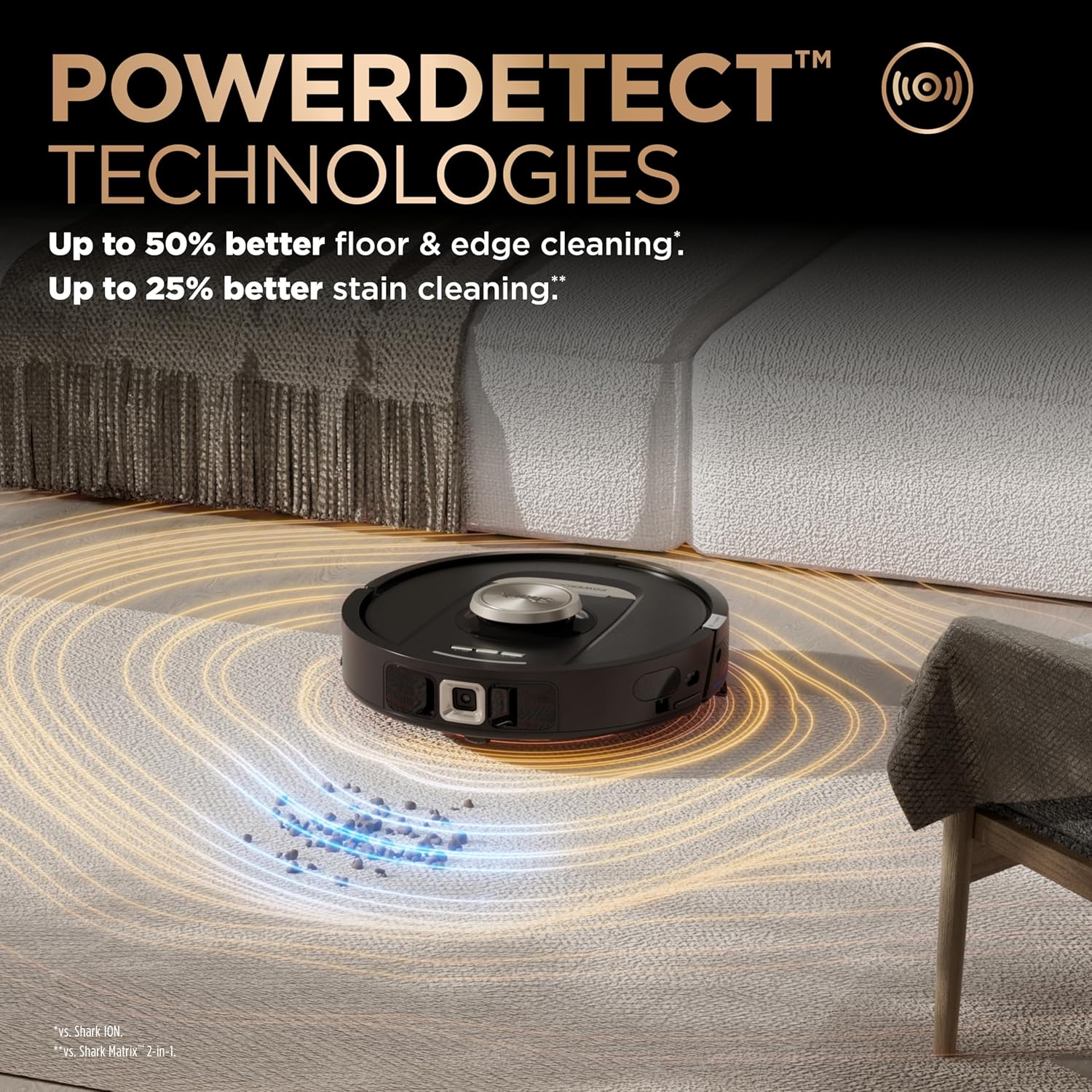
Quick answer (what to prioritize)
- Brush access: you should be able to remove hair in 60 seconds.
- No-go zones: block bowls, litter boxes, cords, and “toy zones”.
- Frequent runs: short daily runs beat long weekly runs for pet hair.
- Mop hygiene: if you mop often, pad washing and pad drying reduce odor.
- Consumables: filters/pads/brushes are the real long-term cost.
If you are still choosing your first robot, start with the buying guide.
What pet messes actually are
Buying for pets is easier when you separate the “mess types”. Different features solve different messes.
- Hair: wraps brushes, clogs airflow, and reduces pickup fast.
- Tracked debris: litter, sand, kibble, tiny leaves. Collects at edges and corners.
- Paw prints: light film that builds on hard floors, especially near doors and bowls.
- Odors: usually a mop pad/dock hygiene issue, not a vacuum power issue.
Hair: brushes, rollers, and clogs
In pet homes, the robot is only as good as your brush routine. The goal is not “never clean it”. The goal is “clean it so fast you do not mind doing it weekly”.
Brush checklist (pet homes)
- Remove the main brush without tools.
- Open end caps or remove wrapped hair easily.
- Side brush is easy to remove and replace.
- Replacement brushes and filters are available (and not overpriced).
If you notice weaker pickup after a few weeks, assume it is airflow and brush drag first: clean the filter, remove hair from the brush, then deep clean the brush housing.
For a full schedule, use the maintenance guide.
Litter, kibble, and corners
Most robots handle tracked litter and kibble fine, but two things matter: edge behavior and bin management. Pet debris tends to accumulate at walls, under cabinets, and around bowls.
- Edges: plan a weekly manual corner pass even with a good robot.
- No-go zones: keep the robot away from litter mats if tracking is heavy.
- Frequency: more frequent runs prevent “litter lines” along baseboards.
Mopping and odor control
Mopping is where pet homes can win big, but only if the mop stays clean and dry. A damp pad left overnight is a smell generator.
Odor control rules
- Rinse pads the same day (or use a dock that washes pads).
- Empty dirty water and wipe trays regularly (if your dock uses water).
- Do not add random floor cleaners unless the manual says it is approved.
If mopping is a priority, the dock workflow (wash and dry) can matter more than anything else. Compare dock capabilities in the comparison chart.
Toys, cords, accidents: obstacle reality
Obstacle avoidance is improving, but pets and kids create exactly the kind of chaos robots hate: small objects, cords, and surprises.
- Prep pass: pick up strings, socks, toys, and fragile items.
- No-go zones: block areas you cannot keep tidy (toy corners, feeding stations).
- Accidents: do not rely on a robot to detect or avoid pet accidents 100% of the time.
Allergies and dust exposure
If you are sensitive to dust and dander, your goal is to reduce dust exposure during emptying and maintenance.
- Auto-empty docks: fewer manual bin dumps and less dust in the air.
- Filter care: follow the manual (some filters are not washable).
- Maintenance routine: do a fast weekly clean so you never face a “gross” deep clean.
A pet-home routine that actually sticks
The best routine is the one you will run. Here is a simple baseline that works for most pet homes.
- Daily: short vacuum run in high-traffic rooms (kitchen, entry, living).
- 2-4x/week: mop hard-floor rooms if paw prints build up.
- Weekly: remove hair from brushes, clean filter, wipe sensors.
- Monthly: deep clean wheels, brush housing, and dock trays/tanks.
Want checklists and troubleshooting? Use the maintenance guide.
Recommendations + picks
For pet homes, you want a combination of brush access, stable maps, and a dock routine you will maintain. Start with the shortlist, then pick the best fit.
Start here: Robot Vacuum & Mop Comparison Chart (2026)
If you want a dock-forward option, read: Roomba Plus 405 Combo review
FAQ
What is the best robot vacuum for pet hair?
The best robot for pet hair is the one you can maintain quickly: easy brush removal, reliable no-go zones, and a schedule you will actually run. Raw suction claims matter less than brush design and filter upkeep.
Will a robot vacuum pick up cat litter?
Most robots can handle tracked litter and dry kibble, but you need good edge behavior and a bin that does not clog easily. Use no-go zones around the litter box area if tracking is heavy.
Can a robot mop reduce pet odors?
It can help reduce the smell from dusty floors and paw prints, but only if pads are cleaned and dried regularly. A dock that washes and dries pads makes odor control easier.